
Last updated September 10, 2026
Full 25-point door and opener safety check with every visit - springs, cables, rollers, tracks, and your LiftMaster or Chamberlain opener included
You get a price before we start. It does not change when the truck arrives.



 Before
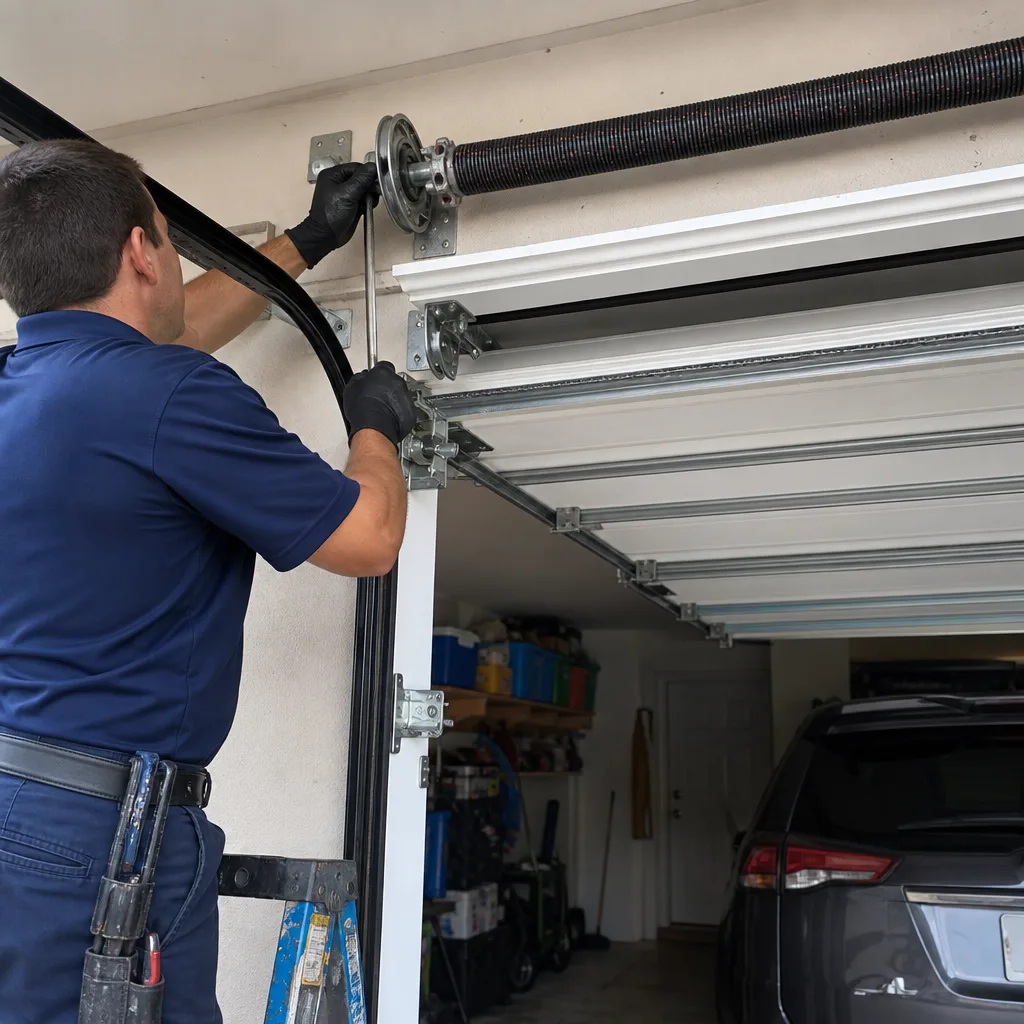 After
After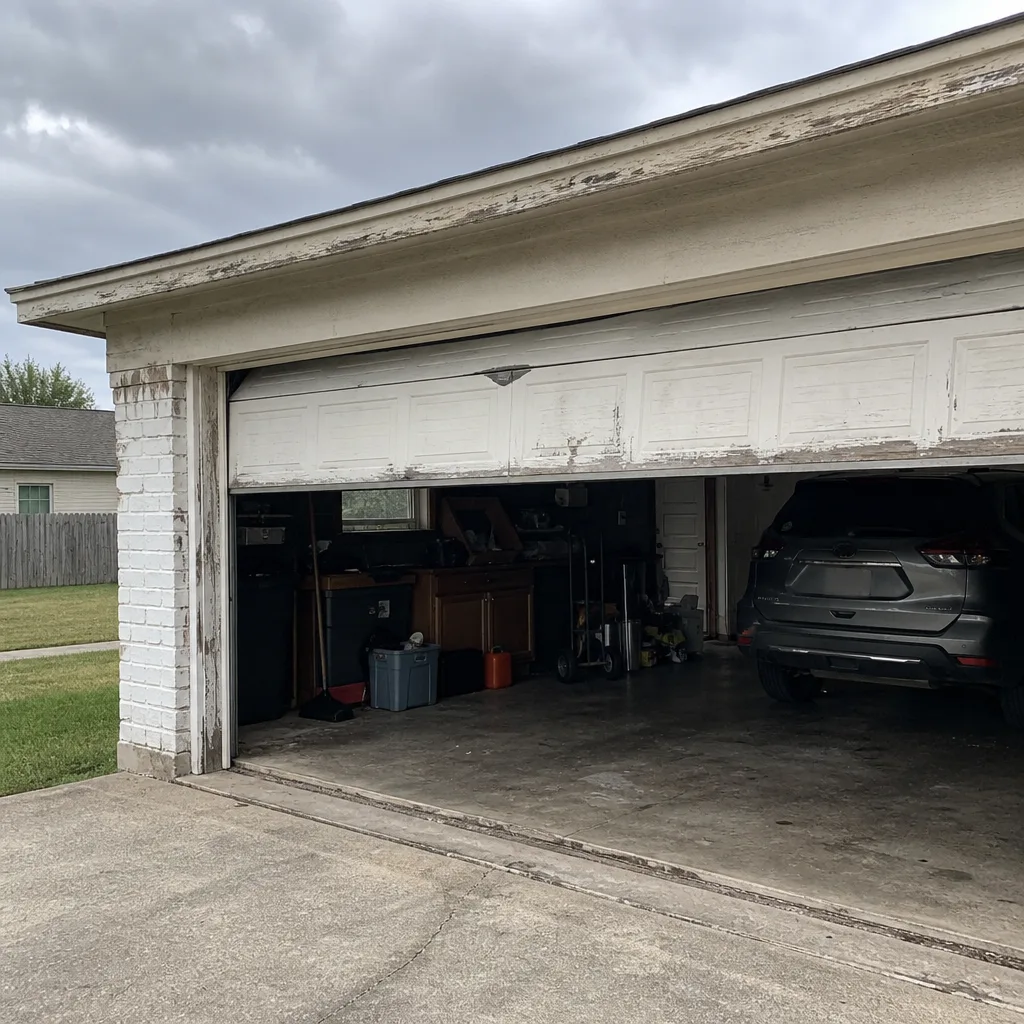 Before
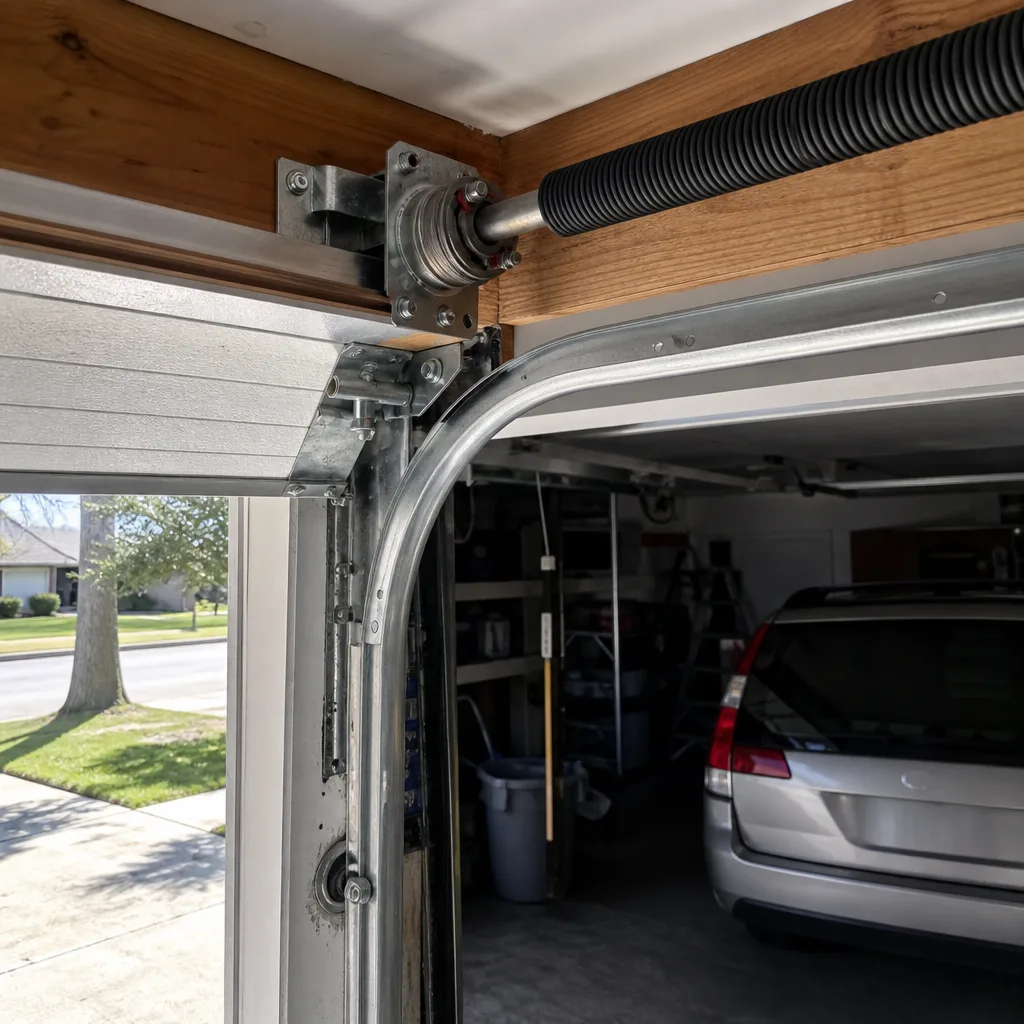 After
After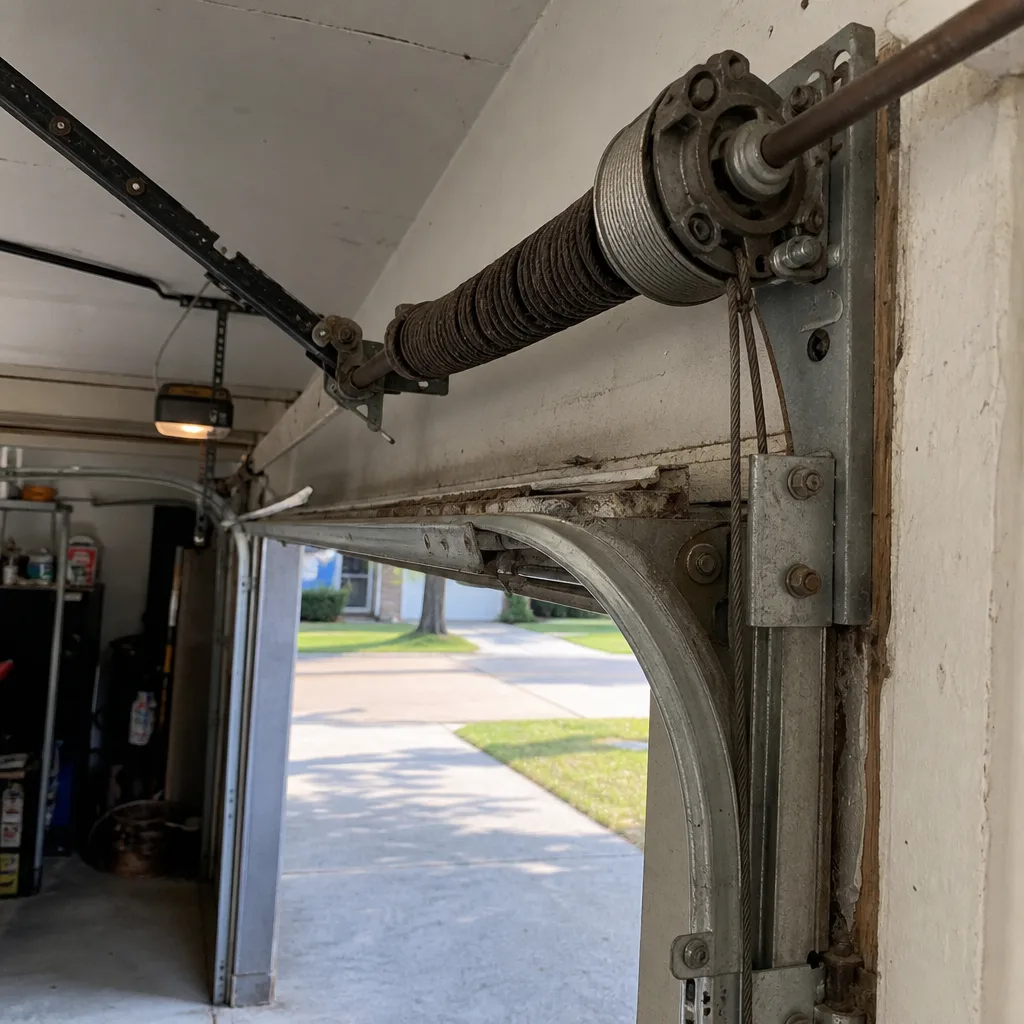 Before
 After
AfterGarage Door Permits, Codes & Inspections in TX: What You Need to Know
Most folks assume a garage door swap needs no permit in Texas. That assumption is wrong in a lot of Harris County jurisdictions, and it costs homeowners real money when they go to sell. A Jersey Village homeowner found this out the hard way a few years back. A cut-rate outfit replaced their door without pulling a permit. Four years later, at closing, the inspection flagged the unpermitted work. They paid more to document it retroactively than they saved on the cheap install. This guide walks you through exactly when Texas and Harris County require a permit, what wind load means after the 2021 code updates, how unpermitted work shows up on title searches, and what to ask your contractor before the first truck pulls up. For more guides & resources, see our blog.
Quick Answer
In Texas, whether you need a permit for garage door work depends on your city, not the state. Inside Jersey Village and most incorporated Harris County cities, replacing a garage door or opener typically requires a building permit. In unincorporated Harris County, permits are generally not required for like-for-like replacements, but structural changes still trigger them. The safe rule: if the opening changes, the framing changes, or you’re in city limits, ask the local building department before work starts.
Table of Contents
- When Does Texas Require a Permit for Garage Door Work?
- Jersey Village and Harris County: How the Rules Split
- Wind Load Compliance After the 2021 Texas Code Updates
- How Unpermitted Garage Door Work Shows Up on Title Searches
- What to Ask Your Contractor Before the Job Starts
- The Permitting Process, Step by Step
- What It Costs to Remediate Unpermitted Work vs. Doing It Right
- Common Mistakes to Avoid
- When to Call a Professional
- Frequently Asked Questions
When Does Texas Require a Permit for Garage Door Work?
Texas does not have a single statewide answer. The state adopts building codes, but enforcement is local. That means the city or county you live in decides what needs a permit and what doesn’t. In Harris County alone, the answer changes depending on whether you’re inside Houston city limits, inside a smaller incorporated city like Jersey Village, or out in unincorporated county land.
The general rule of thumb: a permit is triggered by the scope of work, not the word “garage.” Here’s the breakdown:
- Replacement of an existing door, same size opening: Many unincorporated areas say no permit needed. Most incorporated cities say yes, a permit is required.
- Repair of an existing door (springs, panels, rollers, tracks): Almost never needs a permit anywhere in Texas. It’s maintenance, not construction.
- Opener replacement: Generally no permit in unincorporated areas. Some cities require an electrical permit if new wiring is run, but most plug-in openers don’t trigger it.
- Enlarging or modifying the opening: Always requires a permit, everywhere in Texas. This is structural work.
- New construction of a garage or carport with a door: Always permitted, always inspected.
The important line is between repair and replacement. Replacing a broken spring is repair. Swapping a whole door is replacement, and that’s where the permitting question gets real. In our experience across Jersey Village and the northwest Harris County area, homeowners most often get caught on the replacement side. They treat it as a parts swap, the city treats it as construction.
Jersey Village and Harris County: How the Rules Split
Jersey Village is a Type B General Law city inside Harris County. That legal classification matters for permitting. Type B cities have the authority to enforce building codes inside their limits, and Jersey Village exercises that authority through its building department. If you live inside Jersey Village city limits and you’re replacing a garage door, a permit is required. That’s not a gray area. It’s the local ordinance.
But drive ten minutes outside Jersey Village into unincorporated Harris County, and the story changes. Unincorporated Harris County does not issue building permits for most residential work. The county follows a less centralized approach for permit enforcement, and like-for-like garage door replacements generally don’t need a county permit. That difference creates a common confusion: a homeowner in Jersey Village gets an estimate from a contractor who does most of their work in unincorporated county land. The contractor assumes no permit is needed. The city inspector disagrees when the work gets noticed, or worse, when the seller’s disclosure form comes due at closing.
Here’s what the Jersey Village permitting situation looks like in practice:
- Jersey Village building permits are issued through the city itself, not through Harris County.
- The city inspects work after it’s completed, so the permit needs to be pulled before installation begins.
- Wind load documentation is often required as part of the permit application for garage doors, which brings us to the next section.
- If you use a contractor for the work, the contractor’s name and license information goes on the permit application in most cases.
A practical note: Jersey Village is small enough that the building department knows its contractors. That can work in your favor. A contractor who has pulled permits in Jersey Village before knows what the city wants to see, and the city staff knows the contractor’s work. That familiarity can speed up the process.
Wind Load Compliance After the 2021 Texas Code Updates
Wind load is the number most homeowners have never heard of, and it’s the reason a garage door permit gets denied or flagged. Texas adopted updated building codes in 2021 that tightened wind load requirements for doors and windows in certain regions. For garage doors, wind load certification means the door is engineered and tested to withstand specific wind pressures without buckling or blowing out of its tracks.
The requirements are tied to your wind zone. Harris County falls into a region where wind speeds and exposure ratings require garage doors to meet certain design pressure ratings. That’s not bureaucratic excess. A garage door is the largest opening in most homes. If it fails in a high-wind event, the pressure differential can lift the roof. It’s a structural safety issue, and the code treats it that way.
What does this mean for a homeowner in Jersey Village replacing a door?
- Most modern doors from major manufacturers like Clopay, Amarr, and Wayne Dalton are available in wind load rated versions.
- The manufacturer produces documentation showing the door’s wind load rating for specific sizes and configurations.
- If the existing opening is oversized or has a custom door, wind load documentation may be harder to get, which can slow down a permit.
- Installing a cheap, uncertified door in a Jersey Village home can fail the city’s inspection, and the homeowner is the one who pays to fix it.
A good contractor knows the wind load question comes up before the door is ordered, not after. We’ve seen homeowners in Jersey Village order a door online, get it delivered, and then learn the city won’t approve the permit because the door didn’t ship with wind load paperwork. The door is now theirs. The freight is paid. The permit is stalled. That’s an expensive lesson that could have been avoided with one question up front.
How Unpermitted Garage Door Work Shows Up on Title Searches
Most homeowners don’t think about their garage door when they buy a house, and they certainly don’t think about it when they sell one. But unpermitted work has a way of surfacing, and garage door replacements are one of the more common culprits in Harris County.
Here’s the mechanics. When a building permit is issued and closed, the city keeps a record. When a homeowner does work without a permit, no record exists. That absence isn’t a problem during years of normal living, but it becomes one at sale. Title companies in Texas increasingly run permitting checks as part of their due diligence, especially in incorporated cities that maintain accessible permit databases. If the home has had visible work done, and there’s no permit record for it, the title company flags it. The buyer’s inspector may flag it too. Now the seller is asked to produce documentation that doesn’t exist.
The Jersey Village homeowner I mentioned at the top of this guide went through exactly this. They replaced their garage door in 2019, sold in 2023. The buyer’s title company saw the door, checked Jersey Village records, and found no permit. The sale didn’t fail, but the seller had to pay for a retroactive inspection, documentation of the installation, and a revised disclosure. The total cost exceeded what they saved by using the no-permit installer in the first place.
The lesson applies across Harris County, not just Jersey Village. Unincorporated areas don’t have the same paper trail, but incorporated cities do. If you’re within any city limit that enforces building permits, pulling the permit is the cheapest insurance against a title problem later.
What to Ask Your Contractor Before the Job Starts
The permit question should be a filter, not an afterthought. Before you sign anything or hand over a deposit, here are the questions we recommend every Jersey Village homeowner ask their contractor, drawn from our How to Hire a Garage Door Contractor in Jersey Village: A Step-by-Step Guide:
- “Do I need a permit for this work at my address?” If the contractor says no, ask them to explain why. If they can’t name the jurisdiction (city vs. county), that’s a red flag.
- “Who pulls the permit, you or me?” Reputable contractors handle the permit themselves. If a contractor tells you to pull it yourself, they may be trying to avoid paperwork or fees.
- “Can you show me your license number and proof of insurance?” Otto’s Garage Door publishes our license number; ask any contractor to do the same. If they hesitate, walk. If they’re not licensed in the city of Jersey Village, they can’t legally pull a permit there.
- “What wind load documentation does the door carry?” The answer should be specific, not “oh, they’re all wind rated.” Ask for the manufacturer’s documentation.
- “How do you handle inspection scheduling?” A contractor who permits the work should also schedule the inspection and be present if the city wants to walk the job. If the inspector flags something, the contractor fixes it.
- “Is the permit fee included in your quote?” Get it in writing. Permit fees in Jersey Village are modest, but they shouldn’t be a surprise line item at the end.
One more thing: don’t accept “we don’t need a permit in Texas” as an answer in Jersey Village. It’s not true inside city limits, and the person who pays for that mistake is you.
The Permitting Process, Step by Step
If you do need a permit for your garage door project in Jersey Village, the process is not complicated. Here’s what it looks like when it’s done right:
- Determine scope. Repair or replacement? Same opening or modified? This determines the permit type.
- Choose your door and confirm wind load documentation. The permit application needs it, and the inspector may ask to see it.
- Submit the permit application. Your contractor typically handles this. They include their license information and the project details.
- Pay the fee. Permit fees vary by city and project size. In Jersey Village, garage door replacement permits are typically under $100.
- Complete the work. The door goes in, the opener is wired, everything works.
- Schedule the inspection. The city comes out, checks the installation against code, and signs off.
- Keep the records. Store the permit and inspection sign-off with your home documents. You’ll want them at sale.
This whole process usually takes a few days to a couple of weeks depending on city review times. It’s not bureaucratic quicksand. It’s a routine part of the job, and a contractor who’s done it before makes it feel routine. If your contractor treats the permit as a hurdle or an annoyance, that’s a signal about how they’ll treat the rest of the job.
What It Costs to Remediate Unpermitted Work vs. Doing It Right
The math is simpler than most people think. Pulling the permit costs a small fee plus the time to file the paperwork. Remediating unpermitted work later costs several times more. Here’s a real-world comparison from jobs we’ve been called to clean up in the Jersey Village area:
- The permit, pulled correctly up front: $50 to $100 in Jersey Village, plus a few days of processing time.
- Retroactive permit after the fact: $150 to $300 or more, plus potential re-inspection fees, plus the cost of bringing the work up to code if it wasn’t installed to spec.
- Sale-delayed remediation: This is the expensive one. If unpermitted work comes up during a sale, you’re paying inspection costs, documentation costs, possibly legal or title fees, and the time pressure of getting it resolved before the buyer walks.
The Jersey Village case from the top of this guide cost the seller over $800 in total to remediate. The original job saved them about $200 versus a contractor who would have pulled the permit. That’s not a good trade. It’s a $600 mistake, plus the stress of a sale in limbo.
A door installed by someone who knows the local codes, the wind load requirements, and the Jersey Village inspection process costs less in the long run than the cheapest quote. That’s not our sales pitch. It’s arithmetic.
Common Mistakes to Avoid
- Assuming no permit is needed because the old door was “just replaced.” In Jersey Village, replacement triggers the permit requirement. Repair doesn’t. Know the difference before the work starts.
- Ordering a door online without confirming wind load documentation. The door shows up, the permit stalls, and you own a garage door you can’t install legally inside city limits until you sort out documentation.
- Letting a contractor talk you out of a permit. A contractor who says “don’t worry about it” is not the one who’ll be on the phone with the title company in four years. You will.
- Not keeping permit records after the work is done. Paperwork lives in a file folder that gets lost in a move. Store permit documents with your home’s deed and major appliance records.
- Paying a contractor in full before the permit is closed. Final inspection is your leverage. Once the city signs off, pay the final balance.
- Believing a “county permit” covers Jersey Village. Harris County permitting rules don’t override city ordinances. If your address is inside Jersey Village city limits, the city’s rules apply.
- Choosing a door based only on price, ignoring whether it can be permitted. A cheap door without wind load documentation is not a deal. It’s a liability with a pretty finish.
When to Call a Professional
Some things are worth doing yourself. Permitting paperwork usually isn’t one of them, especially in an incorporated city like Jersey Village where the building department has specific requirements. If you’re replacing a door, call someone who does this work routinely. A professional knows what the city wants, has the wind load documentation on file, and has pulled enough permits in Jersey Village to know the inspector’s name. If you’re repairing a spring or a panel, that’s a maintenance call, and no permit is needed, but the work still deserves someone who does it safely. Our Garage Door Repair Maintenance Checklist for Jersey Village Homeowners covers what to watch for. Otto’s Garage Door offers free estimates in Jersey Village. Call (346) 489-6145 and we’ll tell you straight whether your project needs a permit, what it’ll cost, and how long it’ll take. There’s no charge for the conversation, and there’s no pressure. The name on the van is the name on the license, and we answer our own phone.
Frequently Asked Questions
Yes, inside Jersey Village city limits, a building permit is required for garage door replacement. Repairs like spring or panel replacement do not require a permit. Call (346) 489-6145 for a free estimate and we’ll tell you exactly what your project needs.
Garage door replacement permits in Jersey Village typically run between $50 and $100, depending on project specifics. The permit fee is a small fraction of what unpermitted work can cost at sale. For a free estimate that includes the permit fee, call Otto’s Garage Door at (346) 489-6145.
Yes, it can. Title companies in incorporated Harris County cities like Jersey Village increasingly check permit records during due diligence. Unpermitted work can flag the sale and cost hundreds to remediate. Let us help you get it right the first time at (346) 489-6145.
Wind load certification is documentation that proves your garage door is engineered to withstand specific wind pressures at its size and location. Texas building codes adopted in 2021 require wind load rated doors in most Harris County jurisdictions. Ask us about wind load compliance at (346) 489-6145.
Repair means fixing existing parts: springs, panels, rollers, tracks. Replacement means removing the old door and installing a new one. Repair rarely needs a permit in Texas; replacement almost always does inside incorporated cities like Jersey Village. Wondering which yours is? Call Otto’s Garage Door at (346) 489-6145.
Most garage door opener installations don’t require a permit in Jersey Village if you’re using the existing electrical outlet. If new wiring or a new circuit is part of the job, that may trigger an electrical permit. For specifics on your setup, call (346) 489-6145.
The Bottom Line
If you take one thing from this guide, take this: the question isn’t whether your garage door needs a permit in Texas. It’s whether your address is inside a city that enforces permits, and whether the work you’re doing is repair or replacement. If you’re in Jersey Village and replacing a door, the answer is yes, get the permit. It costs pocket change up front and saves you real money at sale. Need a garage door repair in Jersey Village? We handle everything from spring replacements to full garage door installation in Jersey Village. And if you’re thinking about a new garage door opener in Jersey Village, we’ll tell you what’s worth the money and what isn’t. We’ve been doing this since 2004, and the L.O.C.A.L. values code is not marketing; it’s how Otto runs the shop. Local roots, On time, Community first, Accountable, Loyal. That’s it. If you have a question about your door, your permit, or your opener, call us. We answer the phone.
Visit our Otto’s Garage Door home page for more. We serve Jersey Village and all of northwest Harris County. Call (346) 489-6145 for a free estimate. A door is 200 pounds riding on two springs. Respect it. And when you’re ready to replace yours, do it right, with the permit pulled and the paperwork kept.
Written by Otto Reinhardt, Owner at Otto’s Garage Door, serving Jersey Village since 2004.