
Last updated September 10, 2026
Full 25-point door and opener safety check with every visit - springs, cables, rollers, tracks, and your LiftMaster or Chamberlain opener included
You get a price before we start. It does not change when the truck arrives.
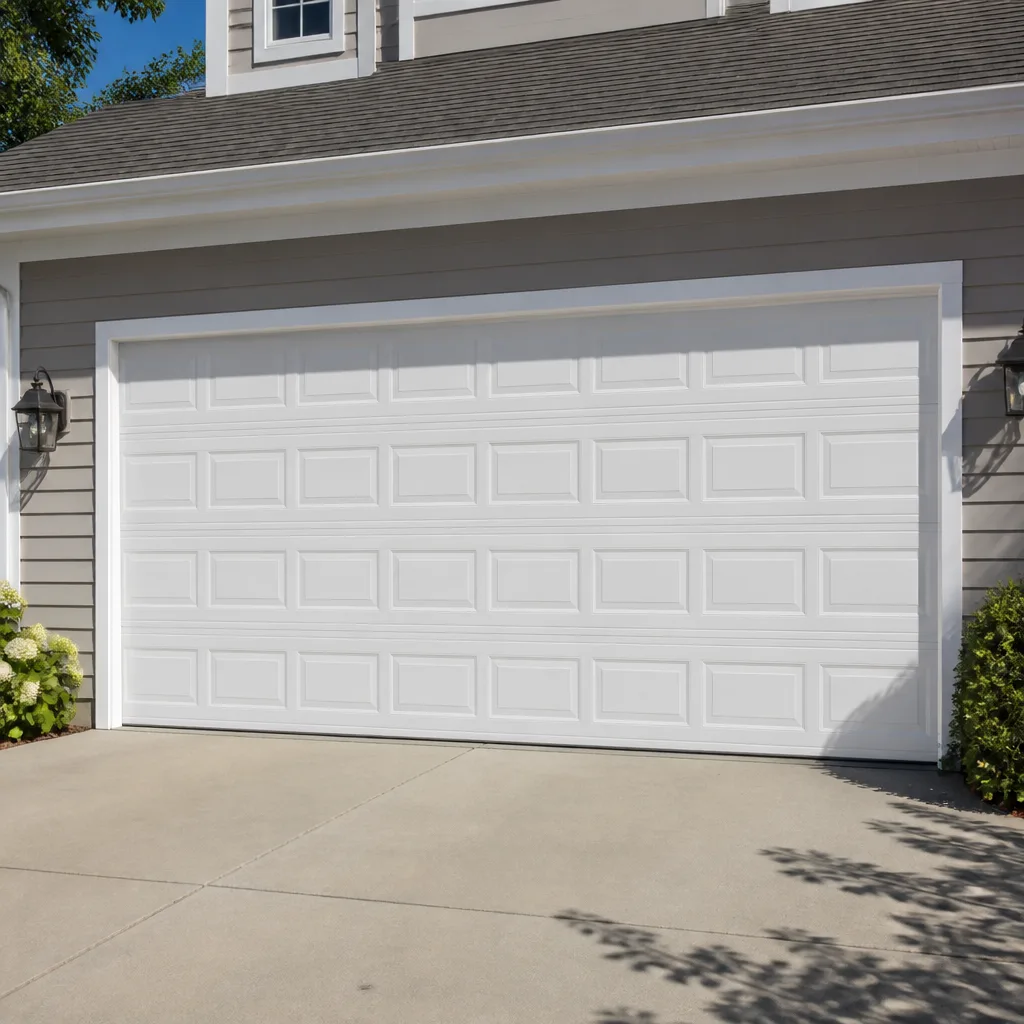
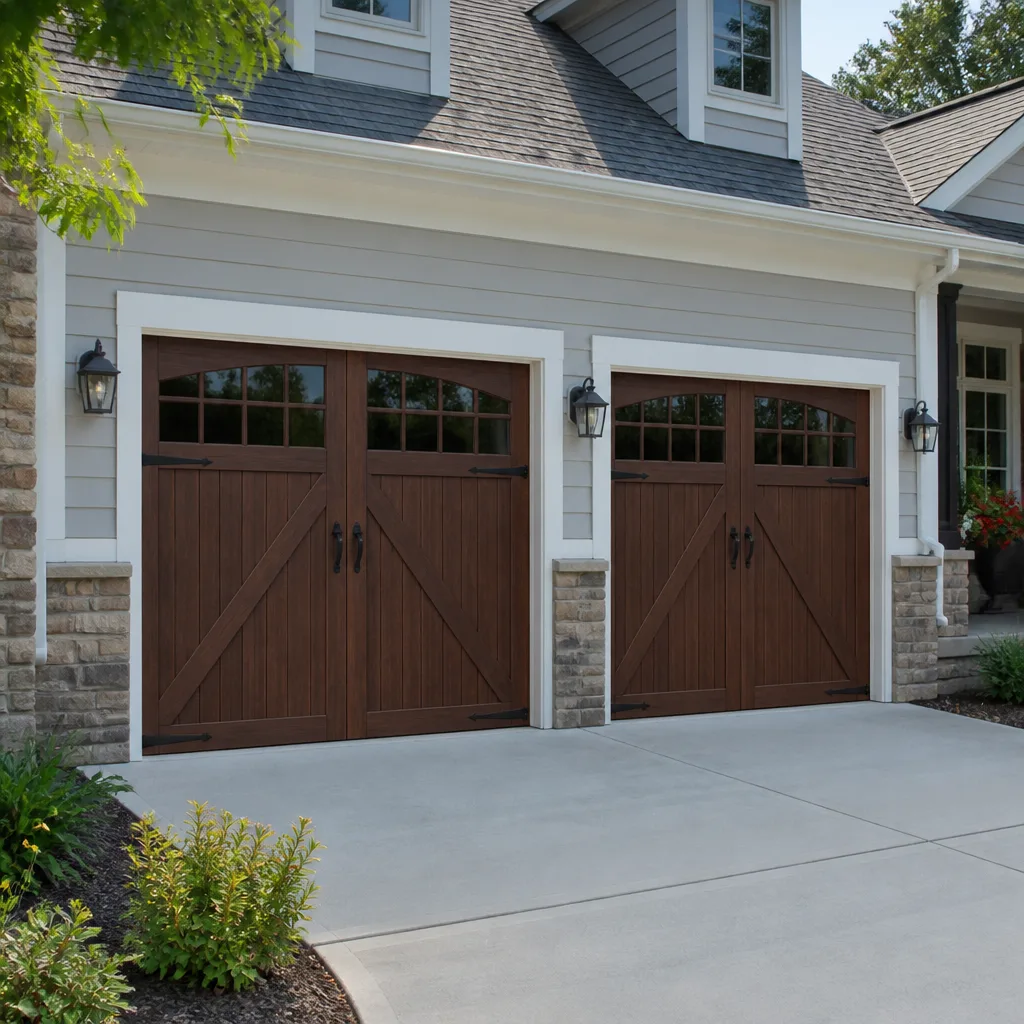
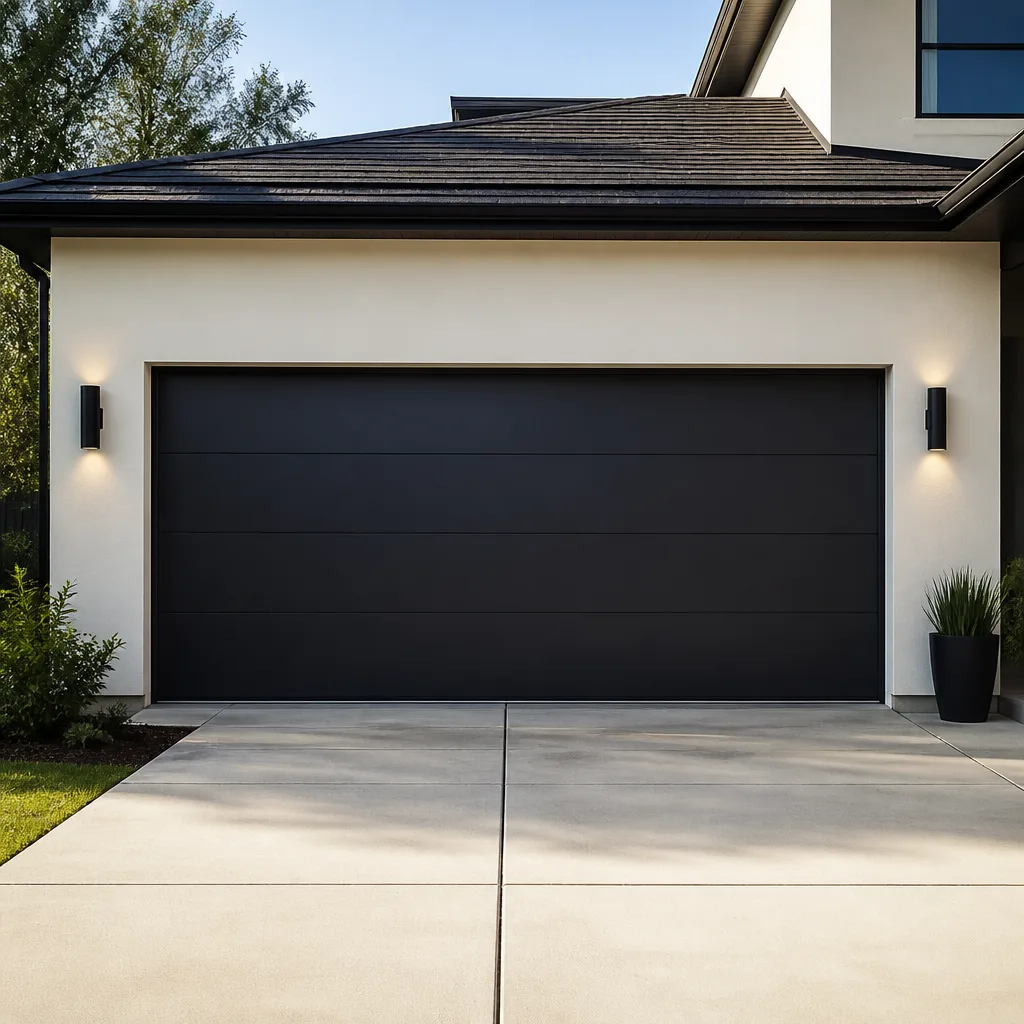
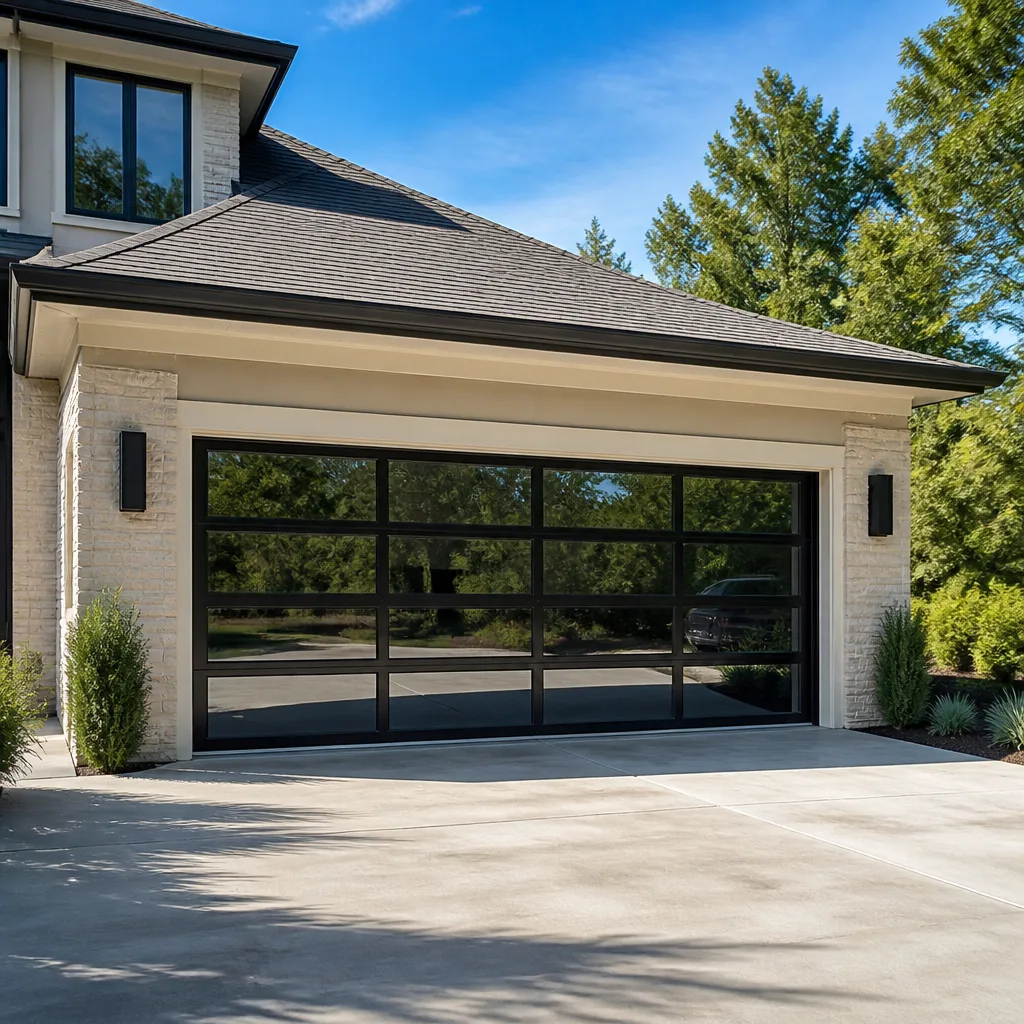
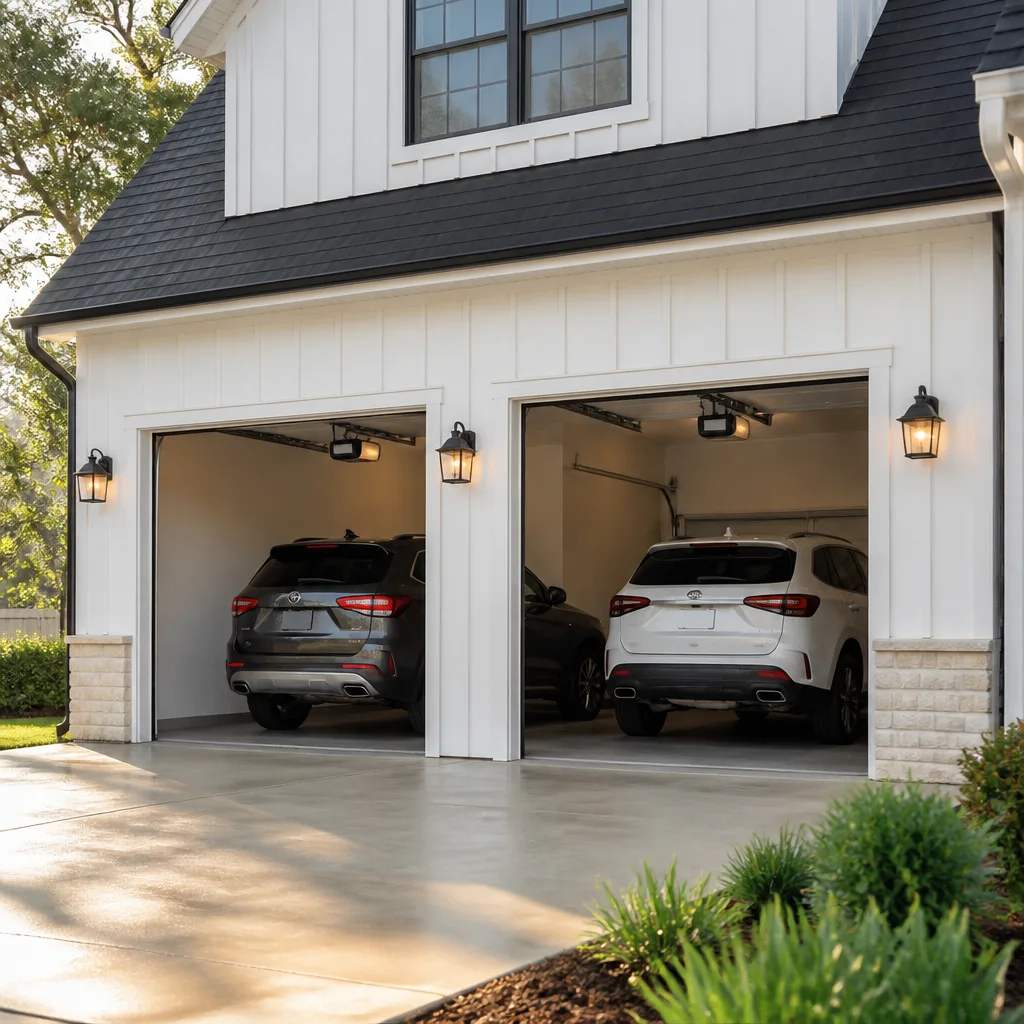
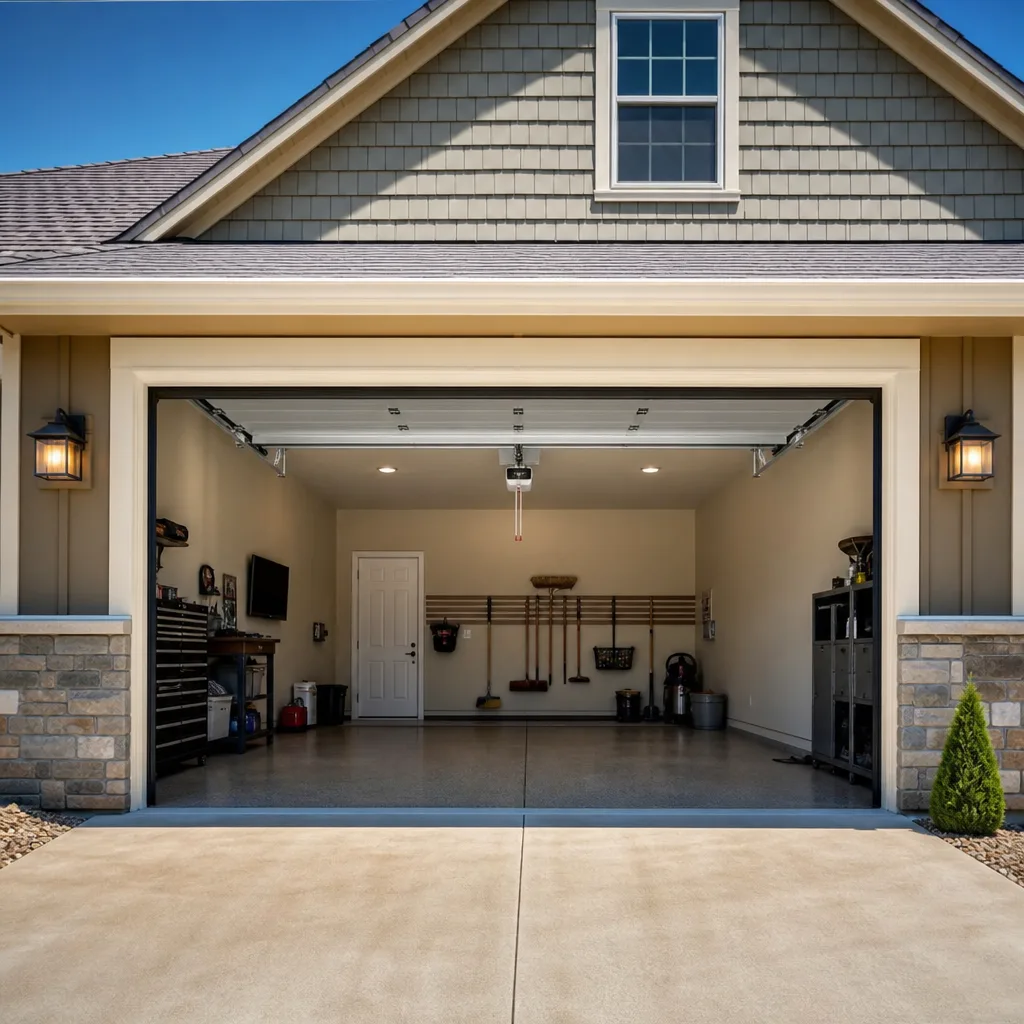
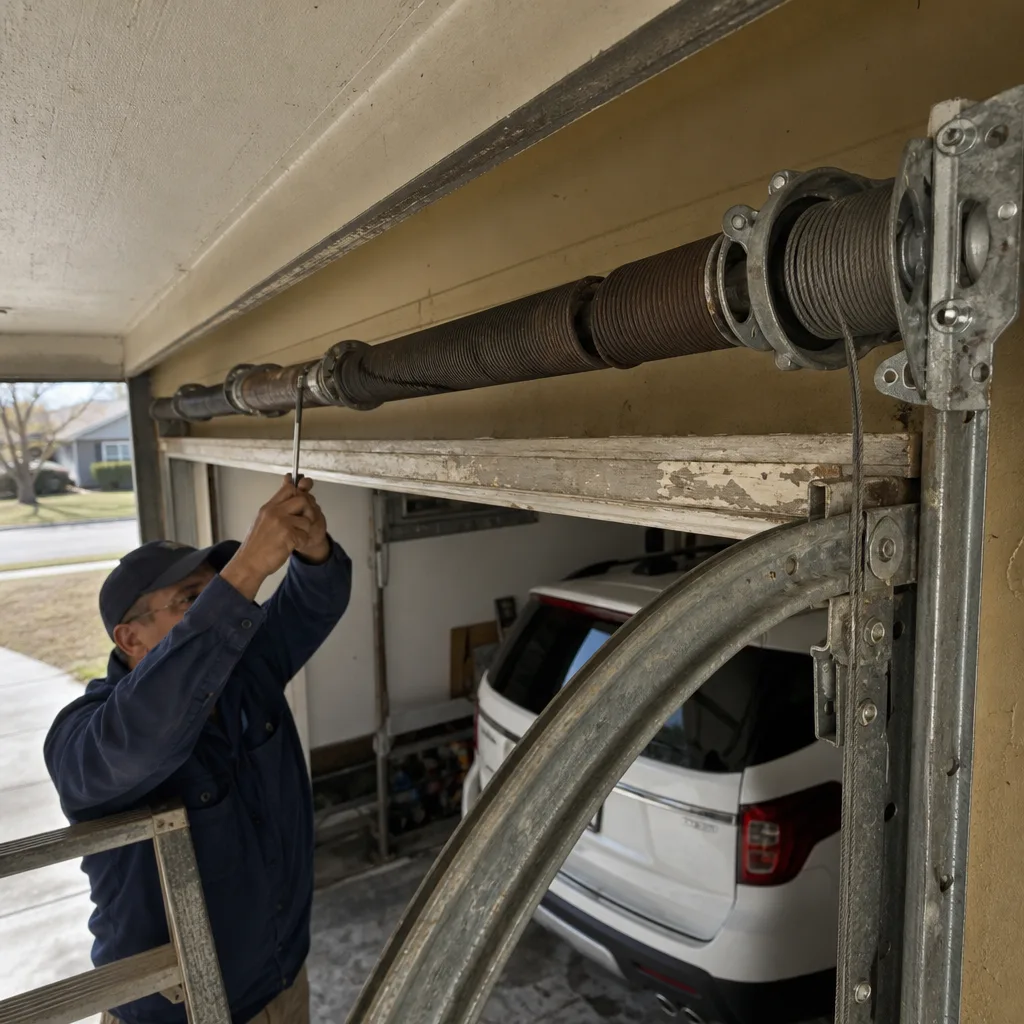 Before
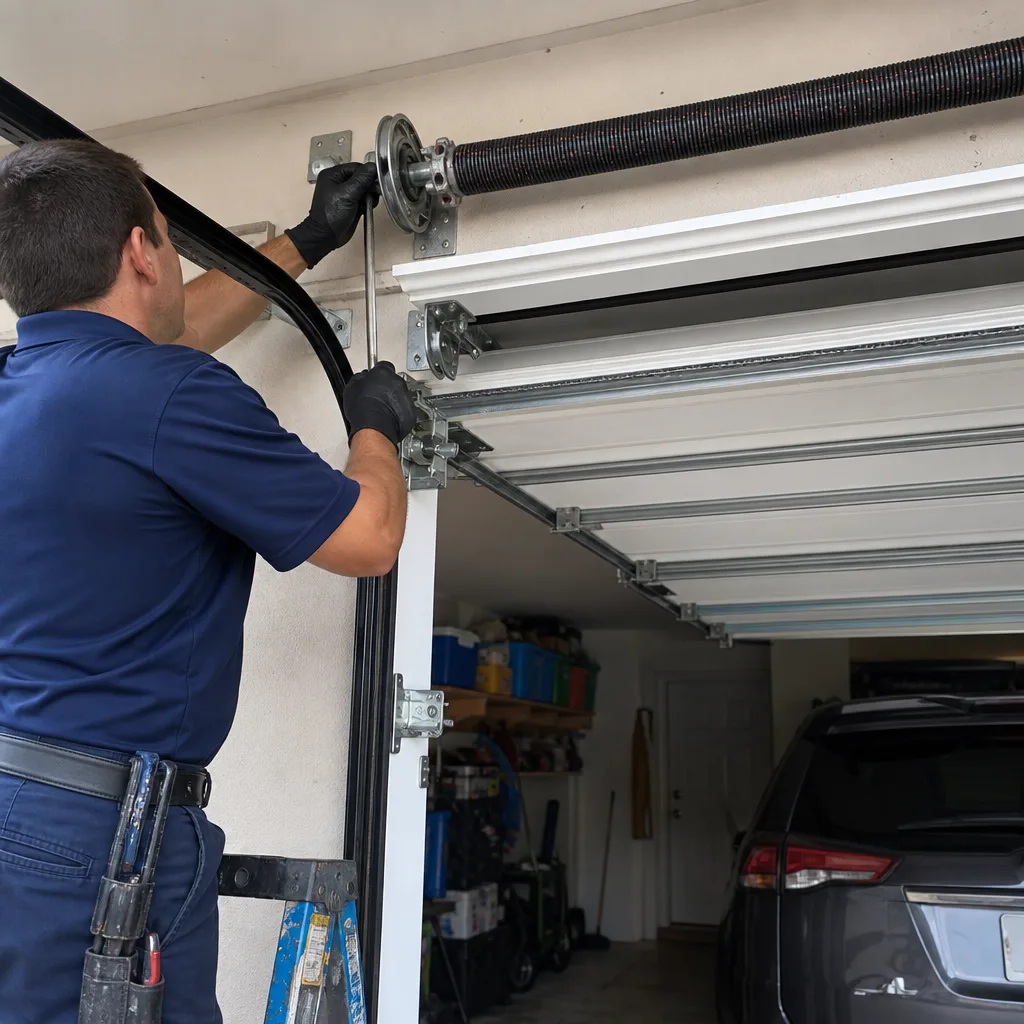 After
After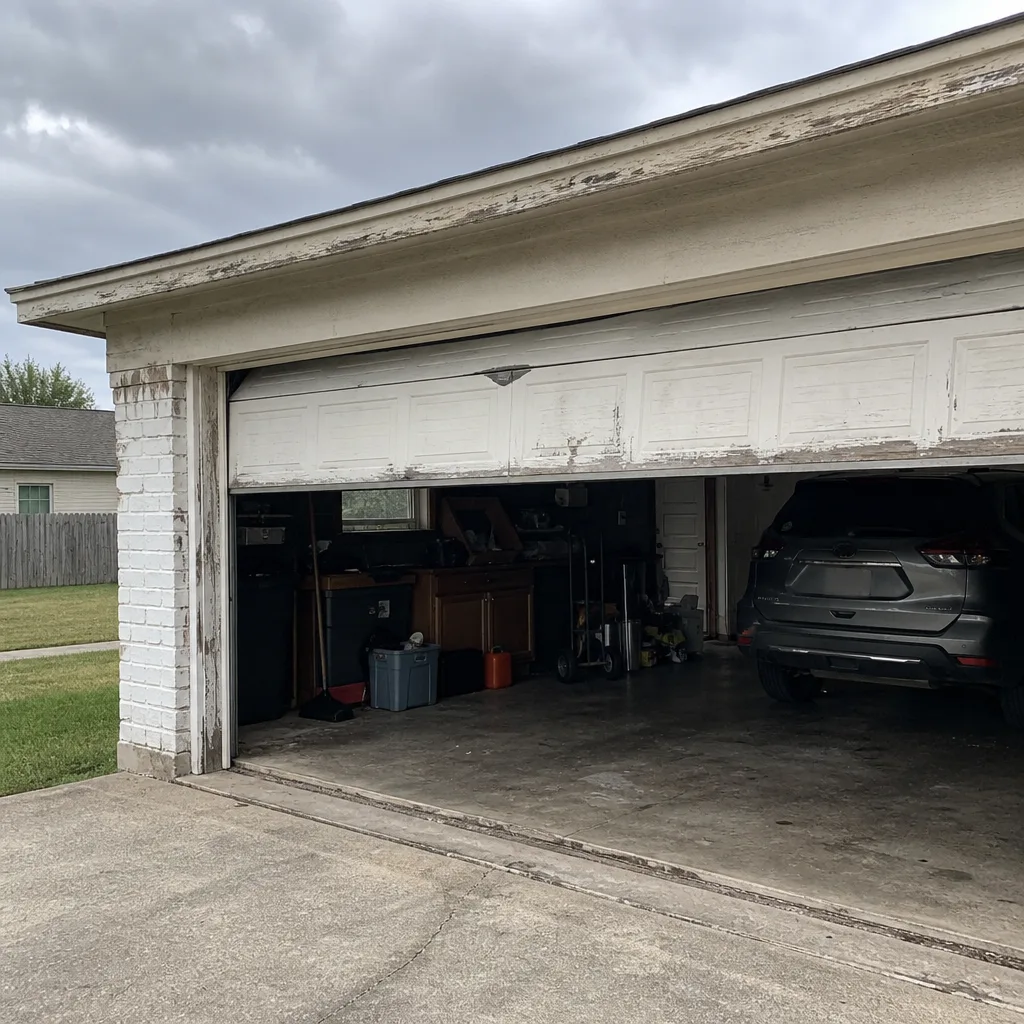 Before
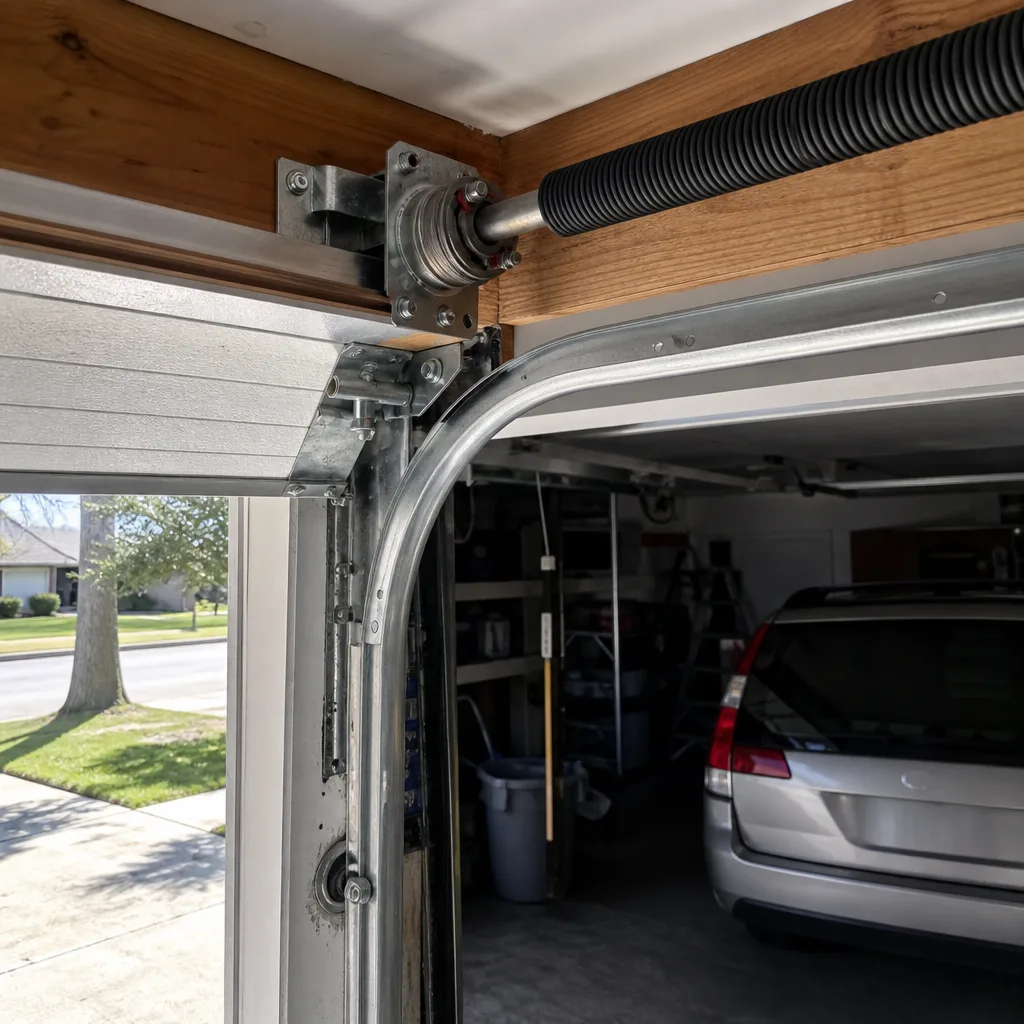 After
After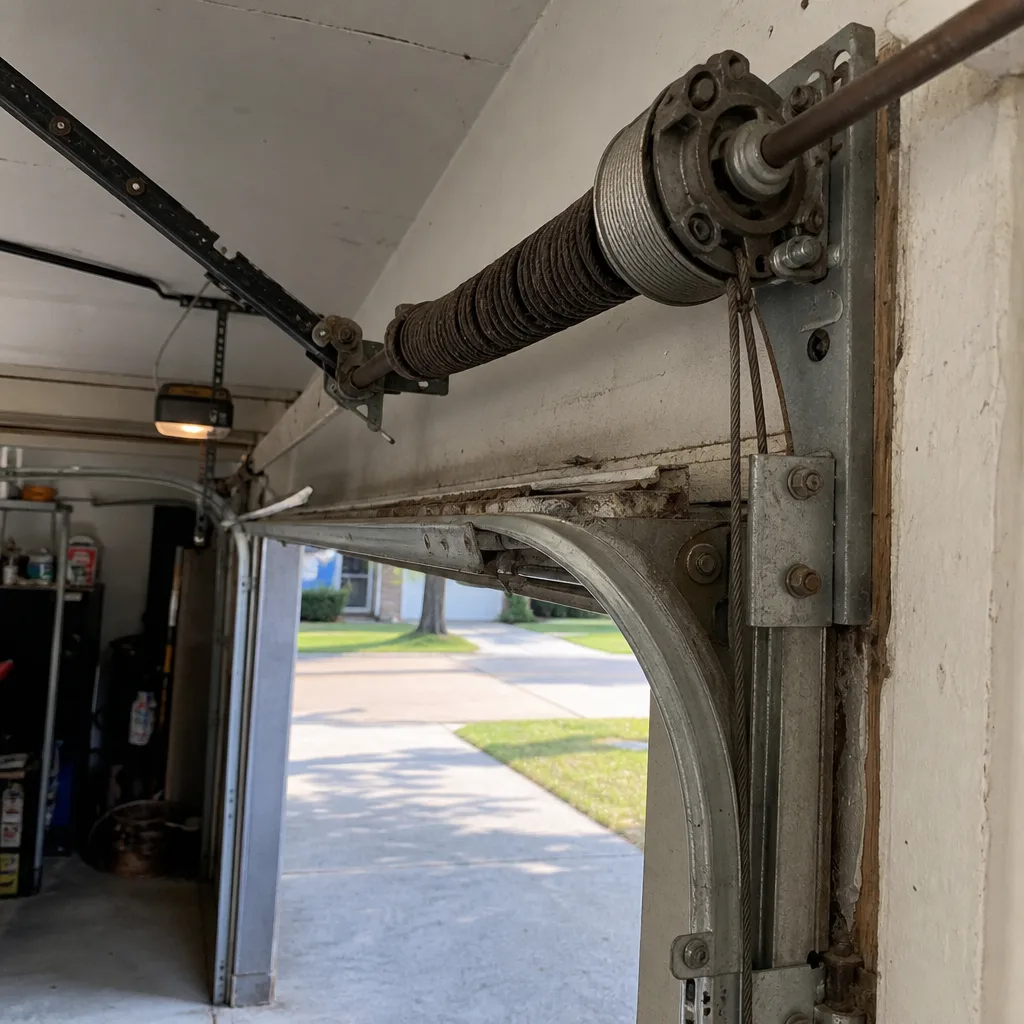 Before
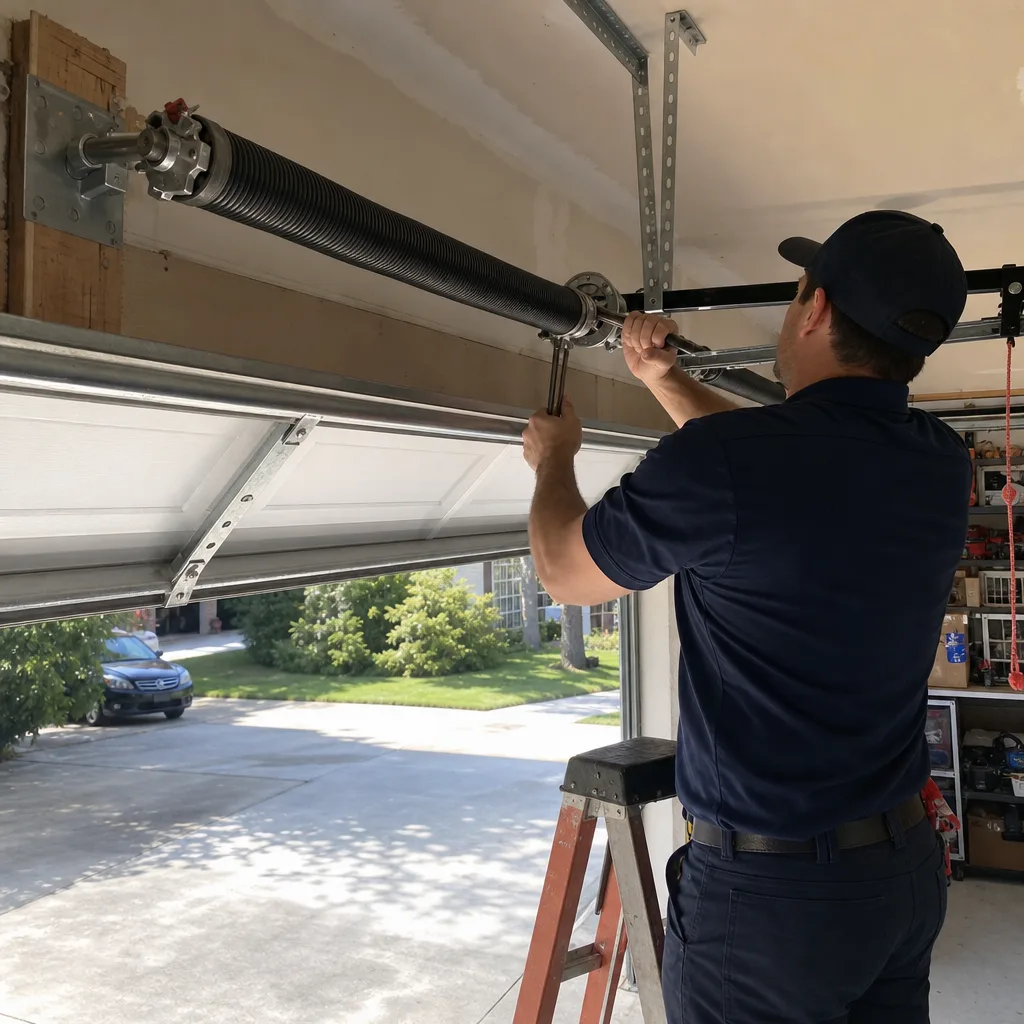 After
AfterThe Complete Guide to Garage Door in Jersey Village
After Hurricane Harvey, a surprising number of garage door failures around Jersey Village weren’t caused by wind. They were caused by doors that had already been quietly rotting from the bottom up, weakened by standing water and ignored seal decay for years before the storm ever made landfall. The storm just finished the job. If you live in Jersey Village, the advice you read online about garage doors was probably written for someone in Phoenix or Denver, and it will cost you money here. This guide is written for what the Gulf Coast climate, the city’s HOA patchwork, and the soil under your house actually do to a garage door. We’ll cover materials, local rules, humidity damage, flood read
Quick Answer
The right garage door for Jersey Village is one built for humidity, shifting clay soil, and occasional street flooding, not just curb appeal. For a detailed look at what drives these numbers, see our Garage Door Cost Breakdown: The Jersey Village Homeowner’s Reference for 2026; expect to pay between $1,200 and $4,500 for a complete new door installed, depending on material and size, and budget $150 to $400 for most repairs. Bottom seal maintenance, wind-load rating, and HOA compliance are the three factors that matter most here, and skipping any one of them leads to a door that fails early or a fine that arrives faster than the door does.
Table of Contents
- How Jersey Village’s Flood History Should Shape Your Door Choice
- HOA Rules in Jersey Village That Affect Your Garage Door
- Why Jersey Village Soil Shifts Your Garage and Throws Off Your Door
- Coastal Wind Load Ratings Versus Standard Doors
- How to Read Your Garage Door Nameplate
- Choosing the Right Door Material for Houston Humidity
- A Seasonal Maintenance Schedule Built for Gulf Coast Weather
- Common Mistakes to Avoid
How Jersey Village’s Flood History Should Shape Your Door Choice
Jersey Village sits inside the Cypress Creek watershed, which means water doesn’t just come from the sky here. It comes from the creeks, the bayous, and the streets. Harvey was the headline, but we’ve seen lesser storms leave water standing in driveways and creeping toward door thresholds more times than anyone wants to count. The garage door is the largest opening in your house’s lower level, and when street water rises even a few inches, the bottom seal is the only thing between that water and everything you store on the floor.
What this means practically is that the bottom seal on a garage door in Jersey Village is a wear item, not a set-it-and-forget-it part. Sitting water accelerates the rot on standard rubber and PVC seals. Sunlight and heat do the same from the other direction. Most seals we pull off doors in this area are hard, cracked, or flattened flat, which means they stopped sealing long before the homeowner noticed.
When you’re replacing a door, ask for a door with a bottom seal track designed for frequent seal replacement. Some budget doors glue or staple the seal in place, which makes replacing it a job for a technician with a ladder and a lot of patience. Better doors use a T-style channel that lets you slide a new seal in yourself in five minutes. Given Jersey Village’s flood history, we recommend the channel style every time. It costs about the same and saves you a service call after the next heavy rain.
For flood-prone streets, consider a threshold seal installed under the door, a raised aluminum strip that creates a dam against low standing water. It won’t hold back Harvey-level flooding, nothing at street level will, but it stops the two-inch nuisance water that comes halfway up your driveway during a summer downpour.
HOA Rules in Jersey Village That Affect Your Garage Door
Jersey Village is a city, not a single subdivision, which means you’re dealing with a patchwork of homeowner associations. Some neighborhoods have strict architectural review committees that must approve your garage door before it goes up. Others have guidelines so loose they might as well not exist. The expensive mistake is assuming your street has no rules because your neighbor across the fence has a different HOA.
The most common HOA requirements we run into around Jersey Village are material restrictions (no unfinished wood), color palettes (usually tans, browns, whites, or carriage-house tones), and window placement rules. Some associations prohibit windows in garage doors entirely, which surprises homeowners who’ve already picked out a door with a full window row. Others require windows if the front elevation faces the street.
Before you order a door, call your HOA management company and ask for the garage door section of the architectural guidelines in writing. Then forward it to whatever company you choose. We ask for this on every new door install in Jersey Village, because we’ve seen a homeowner pay to have a door installed, then pay again to have it swapped after a violation letter showed up. The HOA won’t reimburse you for a door it never approved.
Also worth knowing: several neighborhoods in Jersey Village have rules about door condition, not just style. Peeling paint, rusted hardware, or a door that sits visibly crooked can trigger a violation notice. That’s often what prompts the first call to us, a letter from the HOA sitting on the kitchen counter. If you got one of those, take a breath. Most door issues that trigger these letters are repairable for far less than a full replacement.
Why Jersey Village Soil Shifts Your Garage and Throws Off Your Door
Harris County has some of the most expansive clay soil in Texas. It swells when it’s wet and shrinks when it’s dry, and it does both dramatically. Jersey Village sits on a particularly reactive stretch of this clay, which means your garage slab moves. It moves seasonally. It moves during droughts. It moves after heavy rain. The movement is measured in fractions of an inch, but your garage door tracks care about every one of those fractions.
When a slab shifts, the door frame shifts with it. The tracks that guide the door up and down were mounted to that frame, so now they’re no longer perfectly parallel or perfectly vertical. The door starts to bind. It scrapes on one side. It hesitates, jerks, or refuses to close all the way. The opener motor strains harder than it was designed to, and eventually something gives: a cable, a hinge, or the opener itself.
The fix on a standard installation is track realignment. A technician measures the opening, checks the level on the tracks, and reshims them so the door runs true again. This is not a one-time repair in Jersey Village. We see homes where the tracks need adjustment every two to three years because the soil simply never stops moving. The best long-term response is to have the door tracks checked whenever you hear a new noise or feel a new roughness in operation.
One more thing about clay soil: it holds water against the bottom of the garage slab. That’s another reason bottom seals rot faster here than elsewhere. And it’s why a door that sits directly on the slab for years without a proper seal tends to have rust along the bottom panel, which is the first structural failure point.
Coastal Wind Load Ratings Versus Standard Doors
Jersey Village is not on the coast, but it’s close enough that our building codes take wind seriously. A garage door is the single largest unsupported surface on the front of your house, and during a hurricane or strong frontal storm, wind pressure pushes against it like a sail. A door that flexes under wind can pop out of its tracks, and once a garage door fails, the wind gets inside the structure and does far worse damage.
That’s why doors are rated by design wind load, expressed in pounds per square foot, or PSF. A standard inland door might be rated for 15 to 20 PSF. A wind-load-rated door for our region is often rated for 25 to 30 PSF or higher, and it achieves that rating through reinforcement: thicker steel skins, internal struts, heavier hinges, and stronger track systems.
The difference matters even if you’re not right on the water. Storm tracks shift. Houston’s flat geography means wind speeds don’t drop off as fast as they do in hilly country. The added cost of a reinforced door is usually a few hundred dollars, and in exchange you get a door that doesn’t flex visibly in a strong gust and holds its track under pressure.
Ask your door supplier about the wind load rating before you buy. If they don’t know the number off hand, that’s a red flag. The building code in Harris County has specific requirements for garage doors, covered in our guide to Garage Door Permits, Codes & Inspections in TX: What You Need to Know, and any reputable supplier should be able to tell you what rating your door needs and what reinforcement options are available.
How to Read Your Garage Door Nameplate
Every modern garage door has an identification label, usually stuck to the inside of a panel near the top or on one of the vertical edges. It’s a small sticker with barcodes, part numbers, and sometimes a serial number. Most homeowners never read it. That sticker tells you more about whether your door can be repaired than almost anything else on the house.
Here is how to read it:
- Find the label. Open the garage door and look at the inside surface of the top panel, left or right side. If it’s not there, check the side edge of the panel. Older doors may have the label on the bottom panel lip.
- Read the manufacturer. Common names include Clopay, Amarr, Wayne Dalton, and Genie. If the manufacturer is still in business, parts are likely still available. If the name is obscure or the brand was discontinued, it may be more cost-effective to replace than repair.
- Read the model number. This is the key to getting matching parts. Springs, cables, hinges, and panels are all model-specific. Guessing because the label is faded means wrong parts and repeat visits.
- Note the door dimensions. Most labels include width and height. This matters because a door that’s a non-standard size costs more to replace and affects how long parts take to arrive.
- Check for a date. Some labels include a manufacture date. A door that’s 20 years old with original springs is on borrowed time, and knowing the age helps a technician decide between repair and replacement.
If you find the label but can’t make sense of it, take a clear photo with your phone. Send it to a professional, someone who works on doors in Jersey Village every week, and they can usually identify the make and model from the label alone.
Choosing the Right Door Material for Houston Humidity
Houston humidity is a non-negotiable environmental factor. It’s not occasional moisture. It’s eight months a year of air you can feel. That reality eliminates some materials and elevates others.
Steel is the most common door material in Jersey Village, and for good reason. It’s affordable, durable, and available in insulated versions that keep the garage marginally cooler in August. The catch is that steel rusts when the paint is scratched or the bottom panel sits in water. A quality steel door has a rust-through warranty, but only if you maintain the paint and keep water off the bottom edge.
Vinyl doors are a newer option that handles humidity exceptionally well. They don’t rust, they don’t absorb water, and they shrug off the kind of sun and rain exposure a Jersey Village garage faces. Vinyl was historically limited to basic styles, but manufacturers like Amarr and Clopay now produce vinyl doors that look close to painted wood from the street. The cost is higher than basic steel, and the panel thickness tops out lower, but for homeowners tired of fighting rust, vinyl is worth a look.
Fiberglass is another option, though we see less of it locally. It resists corrosion but gets brittle over years of direct sun, and a brittle door panel cracks under impact. If your garage faces west with full afternoon sun, fiberglass is a gamble.
Wood is the beautiful, high-maintenance option. A genuine wood carriage door is stunning, and a few Jersey Village homes have them, usually in older custom properties. Wood needs refinishing regularly, and in this humidity, it swells, warps, and attracts insects. Unless you’re committed to the maintenance schedule, we steer most homeowners toward steel or vinyl with a wood-look finish instead.
A Seasonal Maintenance Schedule Built for Gulf Coast Weather
Most garage door maintenance guides are written for four-season climates. Snow, spring thaw, summer heat, fall prep. Jersey Village has two seasons: hot and hot-with-rain. Here’s what actually matters month to month.
Spring (March through May): This is the season to inspect everything after winter, such as it was. Check the bottom seal for cracks and flattening. Look for rust on the bottom panel. Test the auto-reverse safety sensors by placing a roll of paper towels in the door’s path and closing the door. If the door doesn’t reverse, call a professional immediately.
Summer (June through September): Heat and humidity peak, and the garage becomes an oven. Lubrication dries out faster. Apply a white lithium grease to the hinges, rollers, and springs, not WD-40, which is a cleaner, not a lubricant. If your door has metal rollers, listen for grinding. Consider upgrading to nylon rollers, which run quieter and hold up better in humidity.
Fall (October through November): Hurricane season runs through November, and the peak threat window is late summer through early fall. This is the time to verify your door’s wind load rating and check that all track bolts are tight. Loose track bolts are the most common cause of doors popping out during storms.
Winter (December through February): The soil dries out, the clay shrinks, and doors that ran fine all summer start binding. Track realignment is most common in these months. Also check the weatherstripping around the door frame, which dries and shrinks in the lower winter humidity.
A maintenance visit from a professional typically costs less than $150, takes under an hour, and includes lubrication, track inspection, spring assessment, and safety testing. It’s cheaper than almost any repair, and it catches the small problems before they become the reason your car is stuck in the garage at 7 a.m.
Common Mistakes to Avoid
- Ignoring a torn bottom seal because “it’s just a piece of rubber.” In Jersey Village, that piece of rubber is your flood defense and your pest control in one. A torn seal lets in water, roaches, mice, and hot air. Replacement costs around $100 to $200, and it’s a fraction of what water damage to your floor or stored belongings will cost.
- Ordering a door before checking HOA rules. Every year we hear from a Jersey Village homeowner who ordered a door online, had it installed, and then got an HOA violation letter. Now they own a door they can’t use and a bill for a second install. The phone call to your HOA takes five minutes.
- Greasing the opener motor instead of the door hardware. The opener motor doesn’t need grease. The hinges, rollers, and springs do. Grease on the motor just attracts dust and makes a mess.
- Replacing the opener without checking the door. If the door is binding because the tracks are out of alignment or a spring is weak, a new opener won’t fix it. The new opener will strain just like the old one and fail early. We tell Jersey Village homeowners this all the time: if the opener is straining, the problem is almost never the opener.
- Trying to replace torsion springs yourself. Torsion springs store enough energy to seriously injure or kill. They are not a DIY repair, no matter how straightforward the YouTube video looks. This is the single most requested repair we do, and the most dangerous one done wrong.
- Skipping spring replacement because the door “still opens.” A door with one broken spring sometimes still opens with help from the opener. That doesn’t mean it’s fine. It means the opener is doing the work of two springs and burning itself out. Fix the spring while the repair is a spring, not a spring plus an opener.
- Painting without prepping. Houston humidity means paint doesn’t stick to dirty, chalky, or rusty steel. If you’re painting a garage door to match a new exterior color or satisfy an HOA notice, wash it first, sand any rust to bare metal, and prime before painting. Otherwise you’ll repaint the door every two years forever.
When to Call a Professional
A garage door is 200 pounds of steel riding on springs under several hundred pounds of tension. Some jobs are safe to handle yourself: replacing a bottom seal, lubricating rollers and hinges, tightening visible bolts, cleaning the photo-eye sensors. Everything else carries real risk. Call a professional if you hear a loud bang from the garage (a spring broke), if the door hangs crooked on one side (a cable snapped or a spring is failing), if the door won’t reverse when something is under it (a safety sensor problem), or if the door jumps or shudders during operation (a track or roller issue). Garage Door Repair in Jersey Village covers all of these, and they’re urgent enough that waiting makes the damage worse. Otto’s Garage Door offers free estimates in Jersey Village - call (346) 489-6145.
Frequently Asked Questions
A new garage door in Jersey Village typically costs $1,200 to $4,500 installed, depending on size, material, insulation, and style. A basic single steel door runs $1,200 to $2,000, while a double-wide insulated steel or vinyl door with windows and a wood-look finish runs $2,500 to $4,500. The number should be quoted and agreed before any work starts. Call (346) 489-6145 for an exact quote on your opening, estimates are free.
We’ve installed and serviced every major brand, and for Jersey Village humidity, Amarr, Clopay, and Wayne Dalton all make steel and vinyl doors that hold up well. The brand matters less than the bottom seal design, the paint quality, and the rust-through warranty. Ask about all three before you buy. Visit Garage Door Installation in Jersey Village to see what we carry.
Yes, we keep springs, cables, rollers, and other common parts on hand for the doors most common in Jersey Village, and a live person answers the phone 24/7. Same-day repair is available in almost every case, and the quote given on the phone is held when the technician arrives. Call (346) 489-6145 right when you notice the problem.
It depends on your specific neighborhood. Some HOAs in Jersey Village require architectural review before a door replacement, others do not. Call your HOA management company and ask specifically about garage door replacement requirements. We’ve seen the cost of skipping that call, and it’s a second door.
No. The price Otto quotes on the phone is the price on the invoice, unless you approve additional work in writing after a new problem is discovered. That’s the whole point of the 90-Day Done Right Promise: it’s written on every job, and one call brings Otto back, no runaround. For more on what to expect, see Garage Door Opener in Jersey Village for opener-specific pricing detail.
Read the nameplate on the inside panel. If the manufacturer is still active and the door is less than 20 years old with a straight frame, repair is usually possible and cost-effective. If the door is older, the manufacturer is gone, or the bottom panel is rusted through from standing water, replacement often costs less over the long run. Get a written quote both ways before you decide.
The Bottom Line
A garage door in Jersey Village faces challenges that doors in most of the country never see: standing water, relentless humidity, shifting clay soil, and the occasional hurricane-force wind. The right door is one chosen with those conditions in mind, not one picked from a catalog for its curb appeal alone. Buy a door with a replaceable bottom seal. Check your HOA before you order. Ask about wind load rating. Maintain the seal and the tracks. When you need help, call someone local, someone whose truck is twenty minutes away and whose name is on the invoice. Otto’s Garage Door home has been serving Jersey Village since 2004, and Otto will be the one who answers the phone.
Written by Otto Reinhardt, Owner at Otto’s Garage Door, serving Jersey Village since 2004.